Access to the Everyday Report 2026
Your Voice, Your Region, Your Community: What Disabled People in the North East Are Telling Us
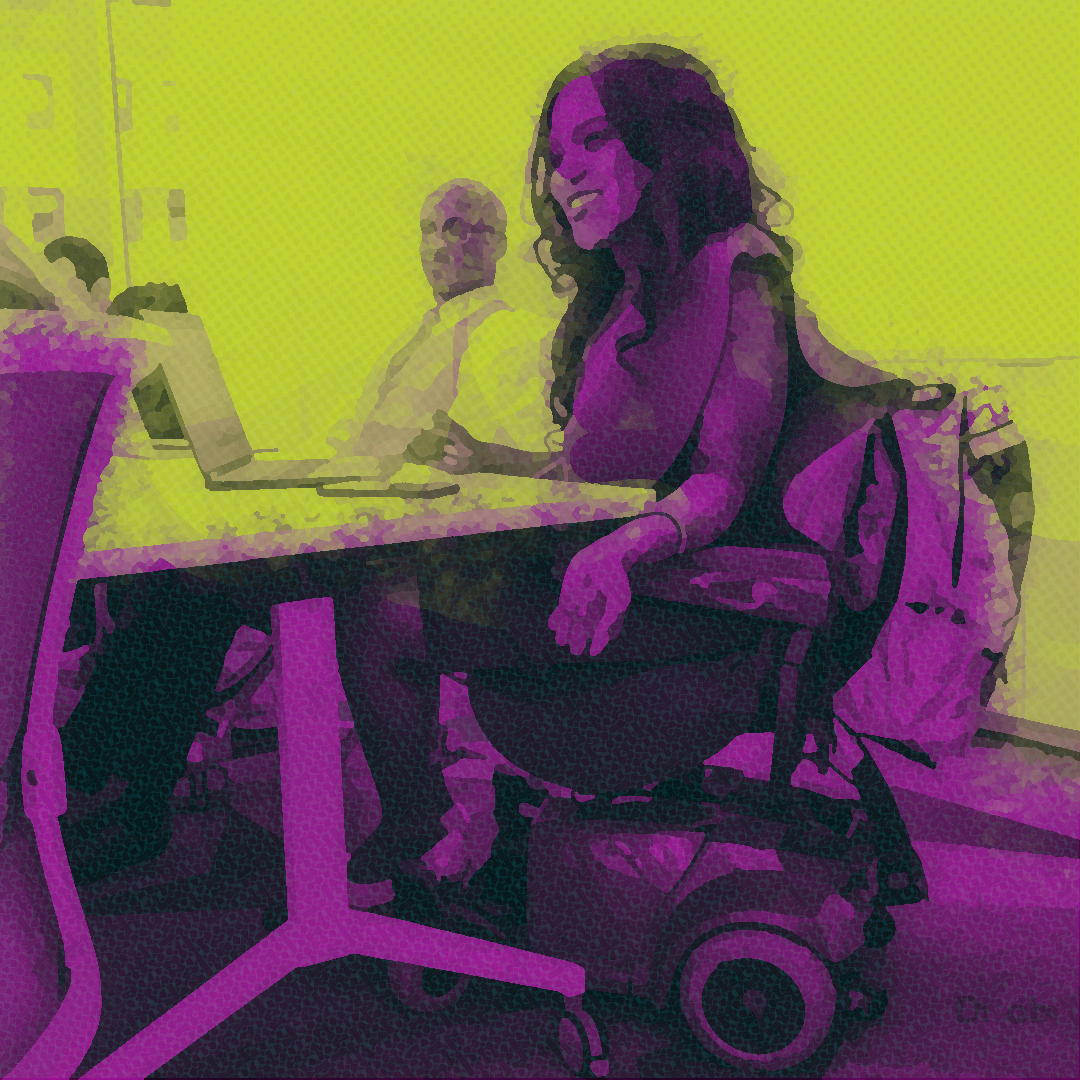
Helen plans her routes through Darlington carefully, avoiding broken pavements and inaccessible shops. (Image: Difference North East member at community event)
"It takes a lot of energy out of you being out," Helen told us as she described planning routes through Darlington, carefully avoiding broken pavements, shops with steps, and toilets used as storage cupboards. Most days, she says, the environment feels like it's working against her.
Helen is one of 77 disabled people who shared their experiences with us for our new report, Access to the Everyday. What they told us was clear: everyday life in the North East is still too inaccessible in too many ways.
This isn't about individual stories of bad luck. It's about patterns, barriers, and systems that stop disabled people from participating fully in their own communities.
Key Findings from 77 Disabled People Across the North East
- 88% of disabled people felt disrespected, judged, or dismissed in the last year
- 64% of disabled people who use public transport faced barriers in the last year
- 68% struggled to get support or information from public services
- 67% were unable to go out because there was no accessible toilet available
- 65% faced barriers in employment or job seeking in the last year
- 44% noticed new buildings going up that still aren't accessible
Getting from A to B Shouldn't Be This Hard

After 7pm, wheelchair users in Hartlepool face severely limited transport options. (Image: Evening bus stop in Hartlepool)
For Lee in Hartlepool, transport isn't just about buses. It's about whether he gets to have a life.
The buses stop after seven. Wheelchair taxis often don't turn up or refuse bookings altogether. The new flexible minibus service doesn't reach his estate.
"It's like we don't exist," he says.
64%
of disabled people who use public transport told us they faced barriers in the last year
Physical access problems came in top, but it wasn't only about ramps and lifts. Service reliability, lack of staffing, and attitudes all played a part.
Grace in Stockton-on-Tees can't use her disabled bus pass before 9:30am.
"They assume disabled people don't have jobs or kids to get to school."
The Toilet Problem
Yet two-thirds of you also told us you'd been unable to go out because there was no accessible toilet available.
Craig in Middlesbrough put it simply: "I've had to cancel trips because there was no toilet I could use. It makes you feel trapped."
What's Working
There are places getting it right. ARC Stockton, Little Cog Theatre Company, and The National Glass Centre were named as examples where access actually works, often because disabled people were involved from the start and staff understand what's needed.
But these remain exceptions. Across the region, 44% of you noticed new buildings going up that still aren't accessible, a reminder that access is still being treated as optional rather than essential.
Respect Is Not Optional
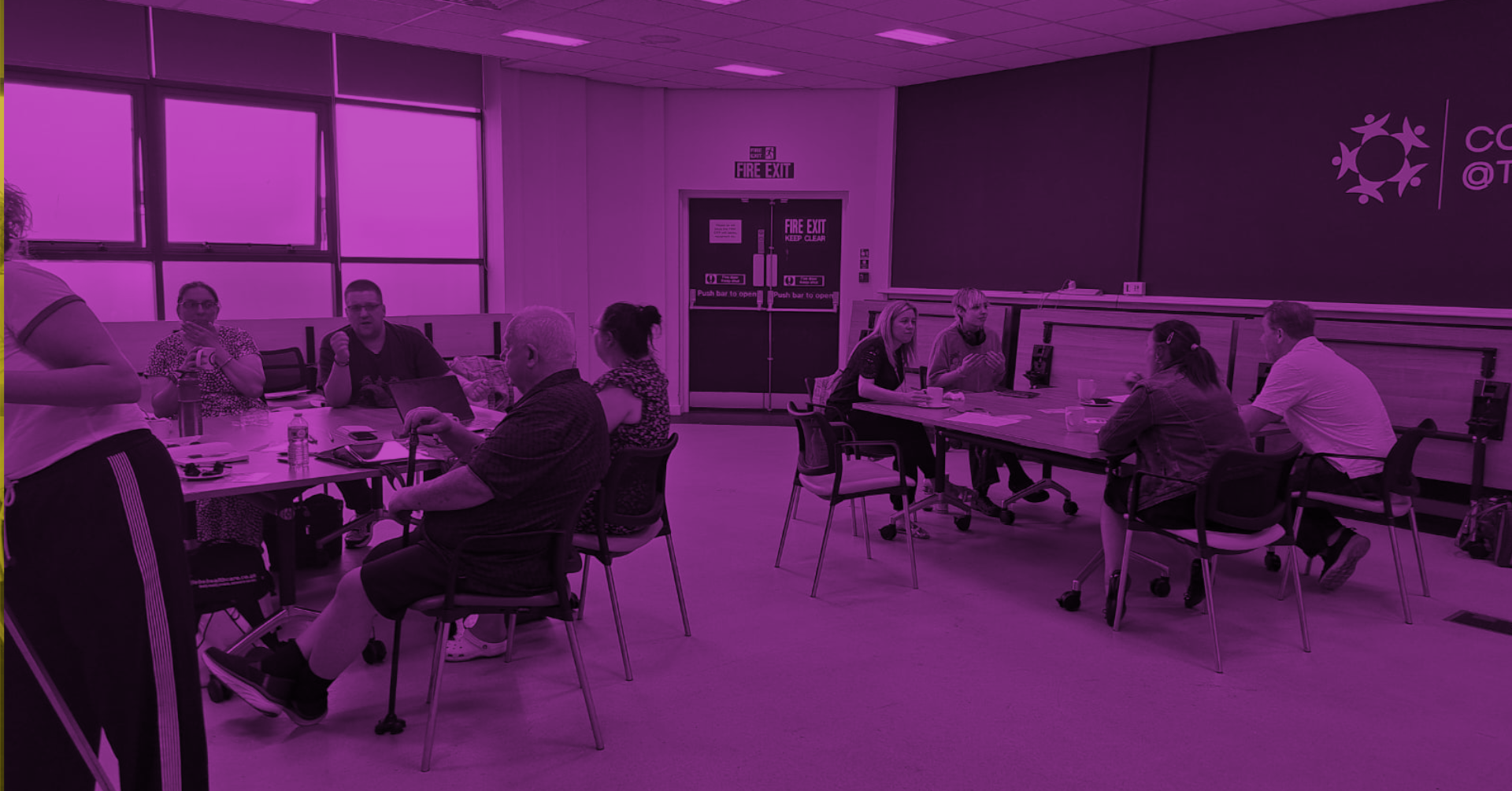
Disabled people across the North East shared experiences of discrimination and disrespect. (Image: Community listening session, 2025)
Rachel was told she couldn't be a responsible adult for her own daughter's medical procedure because she uses a wheelchair.
Laura was refused entry to a pub because of her speech impediment.
Paul gave his time and expertise to advise his local council on accessibility, only to watch them do the opposite.
"It's like consultation theatre," he said.
88%
of disabled people told us they had felt disrespected, judged, or dismissed in the last year
These are patterns that shape whether you feel safe going out, whether you can work, whether you're listened to when decisions are made about you or your community.
"Living with a disability or long-term health condition in the North East often means feeling invisible to the very systems meant to support us." — Nicky, 51, Middlesbrough
What Would Make a Difference
Half of you said training, awareness, and culture change would make the biggest difference. Proper Disability Equality Training rooted in the Social Model of Disability and led by disabled people, rather than token gestures that are too often seen at the moment.
Another 29% said what matters most is being listened to and believed.
Barriers at Work
Physical access is just one of many employment barriers disabled people face. (Image: Inaccessible office building in the North East)
For those of you in work or seeking it, 65% faced barriers in the last year.
Attitudes and discrimination came top, followed by inaccessible events and physical access problems.
Joan in Northumberland can't attend many work events because they're held in inaccessible venues.
"I have a right to be there," she said.
Information Shouldn't Be a Battle
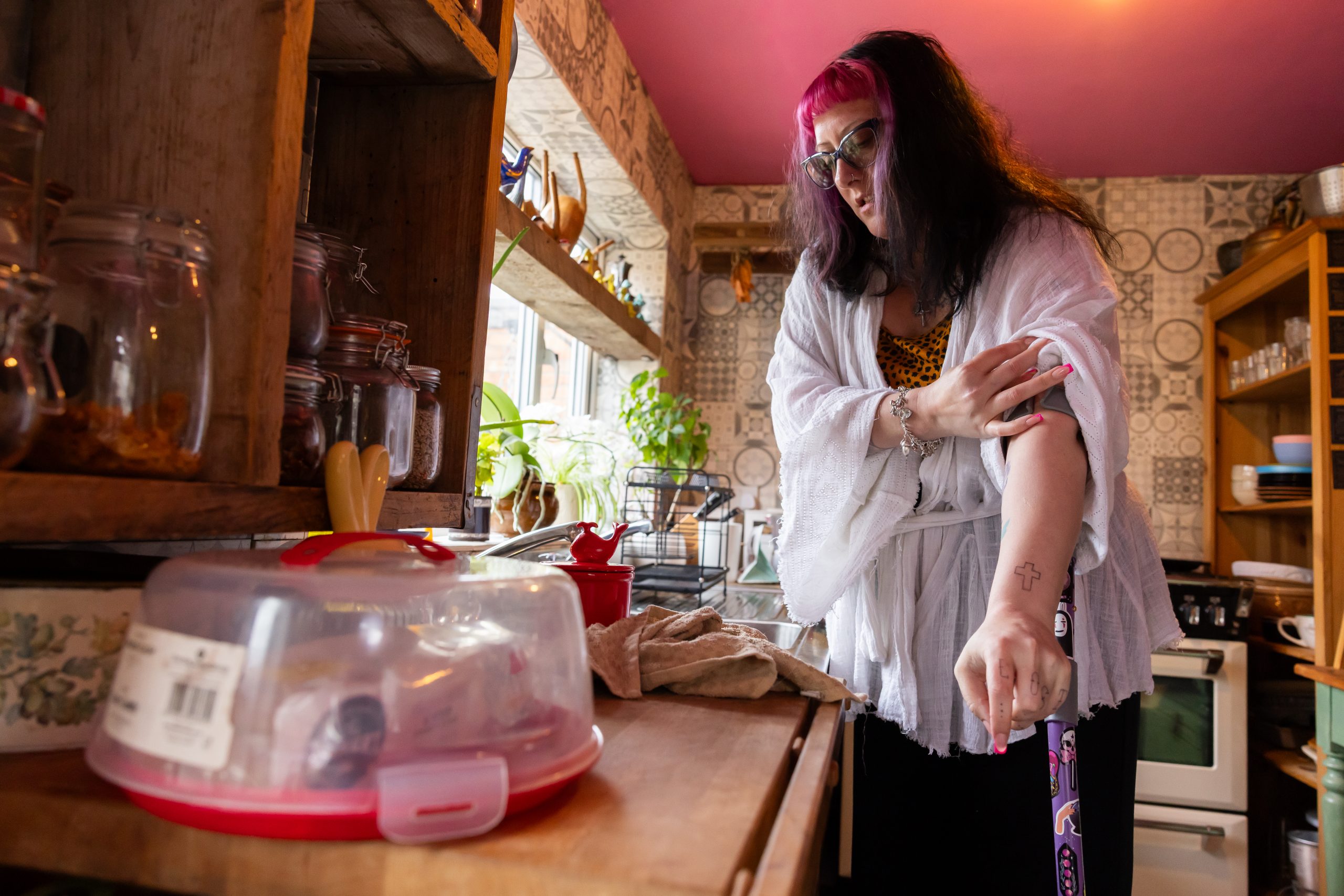
Amina keeps detailed records of every interaction with services, because she's learned she'll need them. (Image: Difference North East member, not Amina)
Amina in Stockton-on-Tees has learned to keep a notebook of names, dates, and reference numbers from her interactions with health and social care services, because experience has taught her she'll need them.
She'll have filled the same form three times, then every time she rings, she gets a different department or has to start her story again.
"I shouldn't have to be my own case manager," she told us.
68%
of you struggled to get the support or information you required from public services in the last year
The NHS and social care were hardest to navigate, followed by mental health services and benefits.
Dealing with these services left most of you stressed (68%) and exhausted (59%). Almost half said you felt like giving up.
Not a single person said services left them feeling supported or more in control.
"Services meant to support us shouldn't be torturing us." — Zain, 32, Redcar
Disabled people were clear about what would help: one person who listens, who knows your name, who doesn't need you to start from the beginning every time.
What Needs to Change
When we asked what you want decision makers to hear, the messages were direct.
Top Priorities
46%
Accessible toilets
Joint Priority
46%
Respect and dignity
Critical Need
42%
Accessible transport
Financial Security
24%
Benefits protection
The broader message was about involvement.
As Patricia from Darlington put it: "A lot of decisions are made about us without us being asked anything. They don't include disabled people at all."
This Has to Change
Co-production shouldn't be optional or a box-ticking exercise. Disabled people's expertise needs to shape transport planning, building design, service delivery, and workplace policy from the start.
When that happens, as places like ARC Stockton show, the results work better for everyone.
The changes you're asking for aren't radical. They're about the basics that make everyday life possible:
- Reliable transport
- Toilets you can use
- Information you can understand
- Workplaces that include you
- Being treated with dignity and respect
Frequently Asked Questions
Common questions about the Access to the Everyday Report 2026 and disability barriers in the North East.
Access to the Everyday is a 2026 research report by Difference North East, a Disabled People's Organisation (DDPO) based in North East England. The report documents the lived experiences of 77 disabled people across the region, examining barriers they face in everyday life including public transport, accessible toilets, employment, healthcare, and public services. It was published in February 2026 and is free to download.
64% of disabled people who use public transport in the North East faced barriers in the last year. Issues included physical access problems, unreliable services, lack of staffing, and poor staff attitudes. Disabled bus pass time restrictions — preventing use before 9:30am — were also flagged as a significant barrier for working disabled people and parents.
67% of disabled people in the survey were unable to go out because there was no accessible toilet available. Accessible toilets are often locked, used as storage cupboards, out of service, or simply non-existent in many public spaces across the North East. This forces disabled people to plan all journeys around toilet access, severely restricting their independence and participation in community life.
88% of disabled people surveyed told us they felt disrespected, judged, or dismissed in the last year. Examples included being denied entry to pubs because of a speech impediment, being told they couldn't act as a responsible adult for their child's medical procedure because they use a wheelchair, and having expert consultation advice ignored by local councils.
65% of disabled people faced barriers in employment or job seeking in the last year. The most common were discriminatory attitudes, followed by inaccessible events and physical access problems. Many disabled people reported being excluded from work events because they were held in inaccessible venues.
The top priorities are: accessible toilets (46%), respect and dignity (46%), accessible transport (42%), and protection of benefits (24%). Disabled people also strongly emphasised the need for co-production — being genuinely involved in decisions about services and infrastructure from the start, not consulted as a tokenistic afterthought.
Yes. The report highlights ARC Stockton, Little Cog Theatre Company, and The National Glass Centre as examples where access genuinely works. These were noted because disabled people were involved in accessibility planning from the start and staff understand what is needed. The report notes these remain exceptions, with 44% of respondents noticing new buildings being constructed without proper accessibility features.
The full Access to the Everyday Report 2026 is available as a free PDF download from the Difference North East website at differencenortheast.org.uk/access-to-the-everyday-report-2026/. It includes detailed findings, regional breakdowns across Newcastle, Durham, Sunderland, Hartlepool, Middlesbrough, Stockton-on-Tees, Darlington, Northumberland, and Gateshead, plus recommendations for policymakers, service providers, and employers.
Difference North East is a Disabled People's Organisation (DDPO) led by and for disabled people across the North East of England. Disabled people living in the North East can join as a free member. Non-disabled supporters can join as a free Ally. You can also share your story to strengthen the collective campaign for accessible, inclusive communities at differencenortheast.org.uk.
Join Us
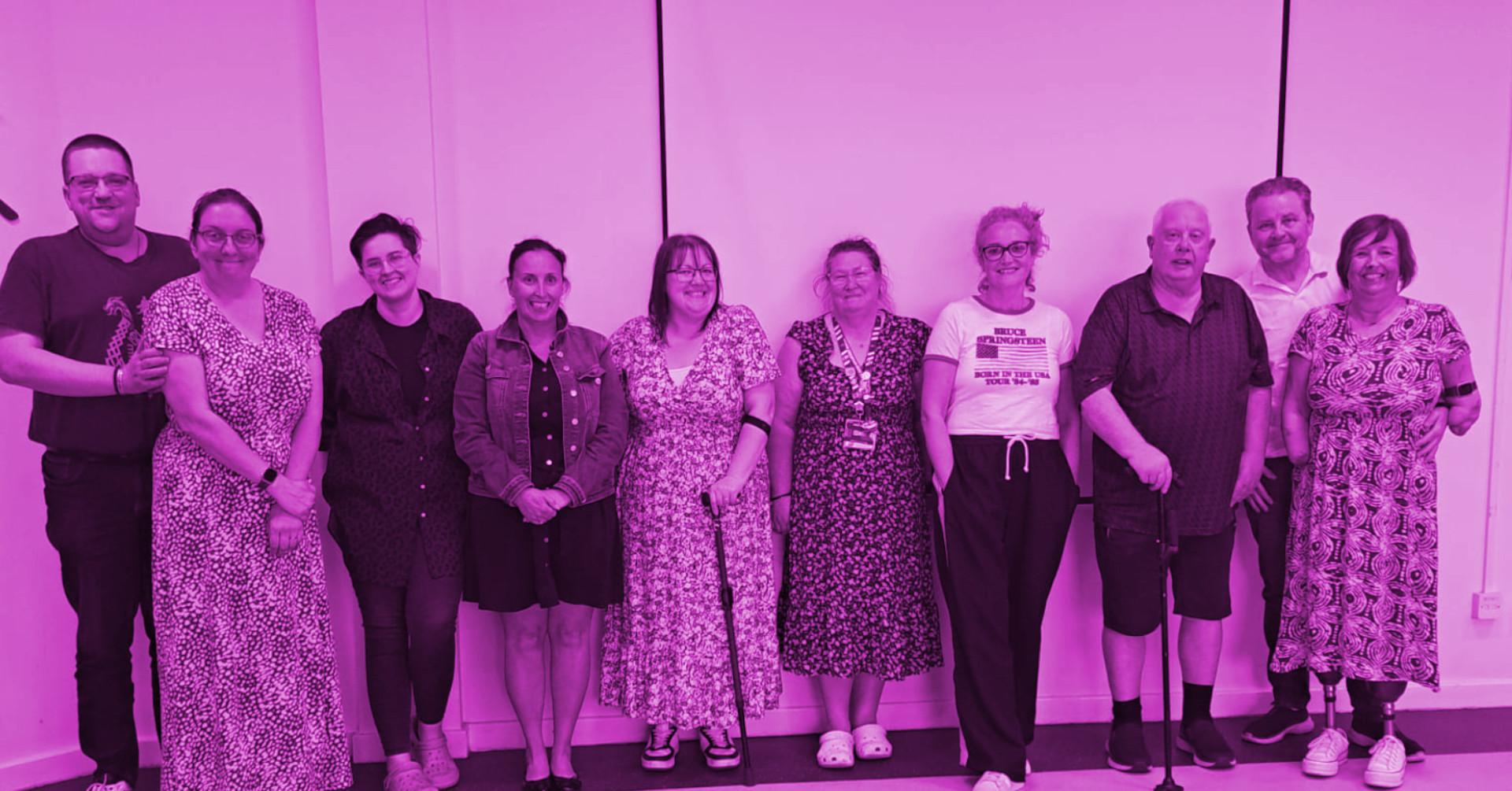
The barriers are real, but so is the community working to remove them. (Image: Difference North East members at regional gathering)
This report belongs to your community, to our community. The 77 disabled people who took part shared their experiences because they know change is possible when we come together.
Difference North East is your organisation, led by and for disabled people across the region. Our work is shaped by what you tell us matters.
If what you've read here connects with your experience, we want to hear from you.
Become an Ally
If you want to support our campaign for accessible, inclusive communities
Free membership
Join as AllyThe barriers are real, but so is the community working to remove them.
Add your voice to it!
Read the Full Report
The Access to the Everyday Report 2026 includes detailed findings, regional breakdowns, and recommendations for policymakers, service providers, and employers.
Report Highlights:
- Experiences from 77 disabled people across Newcastle, Durham, Sunderland, Hartlepool, Middlesbrough, Stockton-on-Tees, Darlington, Northumberland, and Gateshead
- Statistical analysis of barriers in transport, employment, public services, and built environment
- Case studies from disabled people in each area of the North East
- Recommendations for local councils, NHS trusts, employers, and transport providers
- Examples of best practice from organisations getting accessibility right