Category: Accessible Transport

Bus franchising North East: Pink textured graphic featuring a dark purple stylised bus stop or transport sign, with a large white question mark and a small white circle containing a grey bus icon.

Bus franchising: have your say on accessible transport in the North East

Right now, private bus companies set routes, timetables, fares and service standards. An ‘Enhanced Partnership’ is in place, but bus companies still control key decisions. The proposal is a Bus Franchising Scheme. If introduced, bus companies would be contracted by the North East Mayoral Strategic Authority (North East MSA) to run services. The public would have more say over services, timetables, routes and fares. This consultation asks for your views on that proposal.

Read More »
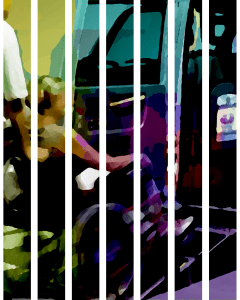
wheelchair accessible taxis north east. A stylized, posterized image shows a wheelchair user beside the open side door of an accessible taxi. They lean forward toward the vehicle while another person stands nearby. The wheelchair, open doorway, and part of the taxi's interior are visible, though fine details are obscured by the image's artistic effect.

Middlesbrough wheelchair-accessible taxis fallen 80%! & disabled people are being stranded

In Middlesbrough, wheelchair-accessible taxis have dropped from 150 to just 30 in six years. An 80% fall. This means many disabled people cannot get to hospital, work, or see family. The council scraps taxis when they turn 12 years old, even if they still work well. They are thinking of changing this rule, but it’s not enough.
This problem is happening across the North East. We are asking MPs for:
– Better driver training
– A national plan with targets
– Easy booking systems
– One place to report issues.
Share this story and tell us your taxi experiences. Disabled people have waited too long. We need action now.

Read More »
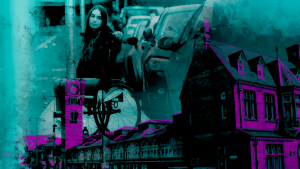
Report 2026 Disabled Northeast: A disabled woman navigating a pavement with accessibility barriers in Darlington town centre

Access to the Everyday Report 2026: What Disabled People in the North East Are Telling Us

Disabled people in the North East told us everyday life is still too hard.
77 people shared their experiences.
Many said: Transport is unreliable or inaccessible! There are not enough accessible toilets! Services are confusing and stressful! Workplaces and buildings exclude them! They are treated without respect!
People want to be listened to and involved in decisions that affect their lives.
Access should not be optional. Everyone deserves to get around, use services, work, and be treated with dignity.
Read the full report to learn more and get involved.

Read More »
Stylised, colour-filtered image showing Kim McGuinness’ and Mary Kelly Foy faces on the right, one above the other, both looking forward. The background features a large elephant statue and an industrial or urban scene, overlaid with a textured pattern in purple, yellow, and pink tones, giving the image a bold, poster-like appearance.

Building Momentum for Fair Travel: MP & Mayor Support and Voices from Our Community

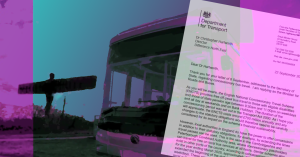
We are making progress in our campaign for fair and accessible travel. After we asked for change, Mary Kelly Foy MP confirmed she supports all of our actions. She will follow this up, and we will share updates soon. The North East Mayor, Kim McGuinness, has also responded positively and is looking at our proposal.

This campaign is about disabled people’s real lives. Many people cannot travel when they need to. One member, Delta, shared how limited bus times and high taxi costs leave her feeling trapped. Fair travel would help disabled people live more independent lives.

Read More »
Disability Community Stockton-on-tees, Graphic promoting Stockton health challenges discussion. Blue slice of cake on a purple background. NeuroKey and Difference NE logo visible in the top right.

Disability Community Stockton-on-tees Teesside

People in Stockton-on-Tees met in May 2025 to share their experiences of disability and everyday life.
They talked about transport problems, with very few accessible taxis and buses that do not always provide clear information.
Shops and public places were often hard to use, with not enough Blue Badge parking or mobility equipment available.
Many people described stressful benefits assessments and systems that make them fight for support.
They also spoke about losing jobs, rebuilding confidence, and finding strength through community.
The group wants practical changes and to be involved in decisions, so access is designed with disabled people, not without them.

Read More »
Skip to content