Many disabled workers have difficulties getting reasonable adjustments put in place to help them do their job.
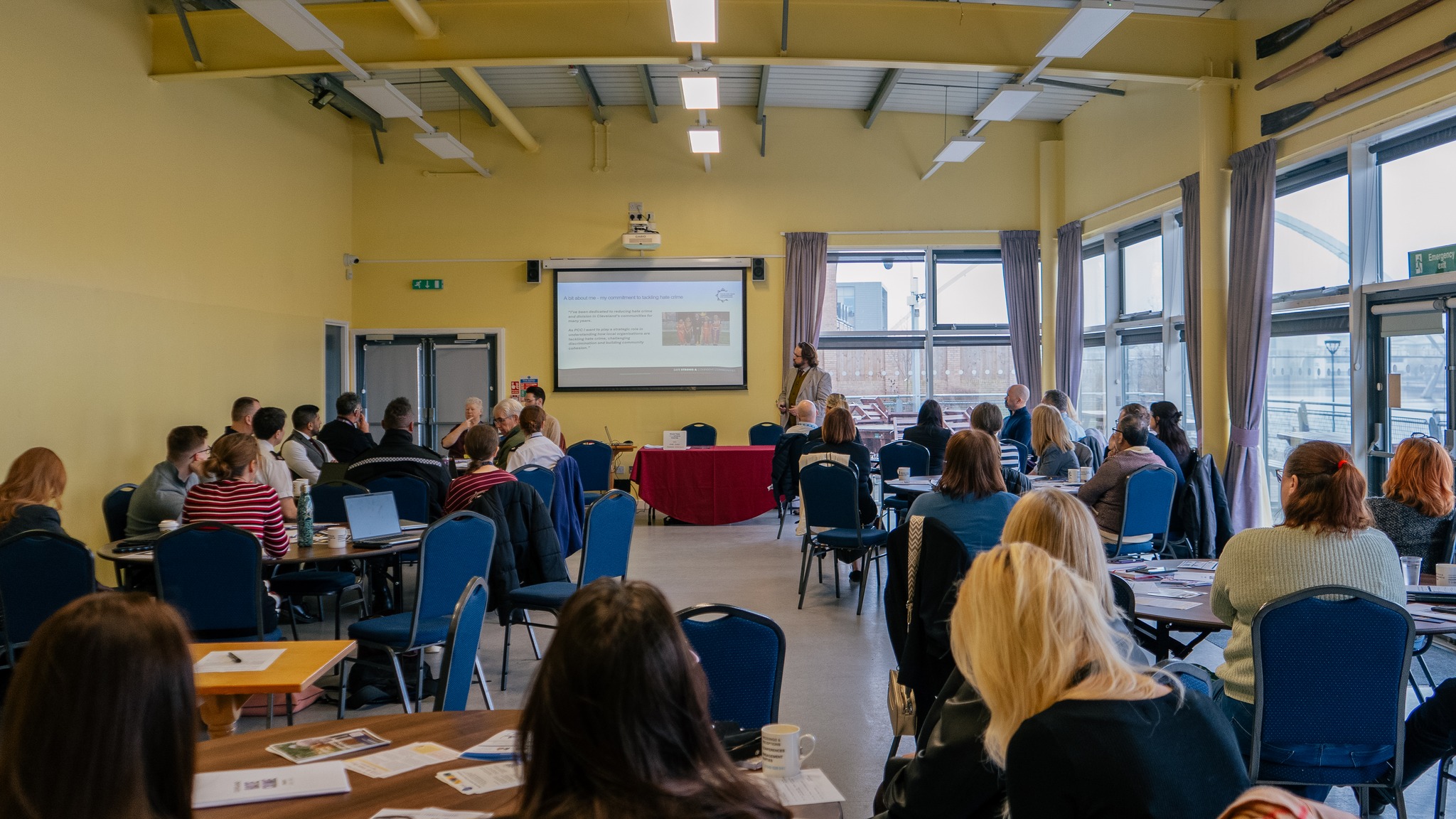
At the TUC Northern Equality Conference, we learned that a recent survey found that:
- only 55% of those who asked their employers for reasonable adjustments during the pandemic had them made in full
- almost a third (30%) said they did not get all their reasonable adjustments
- one in six (16%) said they had none implemented
Sadly, these figures are not a surprise. And yet they represent a failure by companies to comply with their legal duty. So, what is going wrong? It is hard to imagine a similar level of non-compliance with other protected characteristics. Surely employers do not flout the law quite so readily when it comes to providing parental leave, a reasonable adjustment for staff who have children.
Why are we not being flexible for disabled workers? Below are a few thoughts on the likely causes and what employers and disabled workers might need to do to improve the situation. You can also read about your rights as a disabled person and find our plain-language guide to reasonable adjustments in our resources section.
Reasonable adjustments: investment, not expense
I wonder if managers, under pressure to control costs, see reasonable adjustments as an avoidable expense rather than an investment in their people. Devolved budgets can mean that line managers have not accounted for such expenditure. Disabled team members can be acutely aware of this and feel pressure not to burden the team. This is entirely avoidable.
Employers should adequately plan for adjustments. A centralised budget is likely to work better and reflects the reality that what is a reasonable cost, in the eyes of an Employment Tribunal, will depend on the resources of the whole business, not the individual team.
While there are many issues with the Government's Access to Work scheme, it does at least offer some financial support to assist employers. If you are a disabled worker who has not explored Access to Work, read about what Access to Work covers and share your experience with us.
HR teams and equality specialists have key roles to play. Too often it can feel like they are gatekeepers whose role is to stop the employee from costing the company. They need to spend more time putting themselves in the disabled worker's position and help identify the barriers created by the role, workplace or team. They should be educating line managers in their legal duties and taking positive, proactive action to support their disabled team members. Our reasonable adjustment advice for line managers sets out exactly what that looks like in practice.
Plan ahead
Putting reasonable adjustments in place, in my experience, takes far too long. Delays in talking to the individual, procurement procedures, arguments about who is paying, all add unnecessary delays and leave the employee without the assistance they need.
Employers need to be more proactive and plan ahead. Where new staff have declared a disability, discussions should start straight away so that adjustments can be available, where possible, from day one. Of course, some adjustments may not become apparent until the person has started to do the job. Discussions need to continue through induction with regular reviews to check what is needed and whether the adjustments put in place are working well, or need to be adapted.
Internal moves can be supported with a disability passport scheme, like the type developed by the TUC and GMB.
It is all entirely achievable if employers give it the focus it deserves.
Attitudes and culture change
One of the most difficult barriers faced by disabled workers is the attitudes of line managers and colleagues. This can vary from outright hostility, like bullying and harassment, to more subtle microaggressions and unconscious bias.
Tackling these issues is a bigger challenge. Business leaders need to set the tone by ensuring policies, but more importantly practices, are visibly inclusive. Using social model language in employee communications, providing accessible formats, and pre-empting access needs at meetings and events will all signal to staff and managers that inclusion is important. It matters. And not being inclusive needs to be unacceptable.
The pandemic showed us just how flexible employers can be when they need to be. Let us hope that some lessons have been learned and that employers in our region can lead the way in creating a more inclusive employment culture.
If your organisation wants to understand its legal duties and build a genuinely inclusive workplace, our disability equality training and accessibility consultancy are delivered by disabled people with lived experience of these exact dynamics.
Resources and next steps
If you are a disabled worker trying to navigate reasonable adjustments, or an employer who wants to do better, these resources are a useful starting point:
- Reasonable Adjustments: a guide for disabled workers: what you can ask for, and what to do if it is refused
- The Duty to Make Reasonable Adjustments: what employers are legally required to do
- Reasonable Adjustment Advice for Line Managers: practical guidance for managers
- Inclusive Recruitment: advertising and application forms: making hiring accessible from the start
- What Are My Rights as a Disabled Person?: your rights under the Equality Act 2010
Join Difference North East to help end disability discrimination in the North East. Membership is free.