Northumberland Community Voices • Amble, May 2025
Voices from Amble
A candid conversation on disability, accessibility, and belonging from the heart of Northumberland
Published 22 May 2025 • 7 min read
Heard in Amble: Real Stories, Real Change
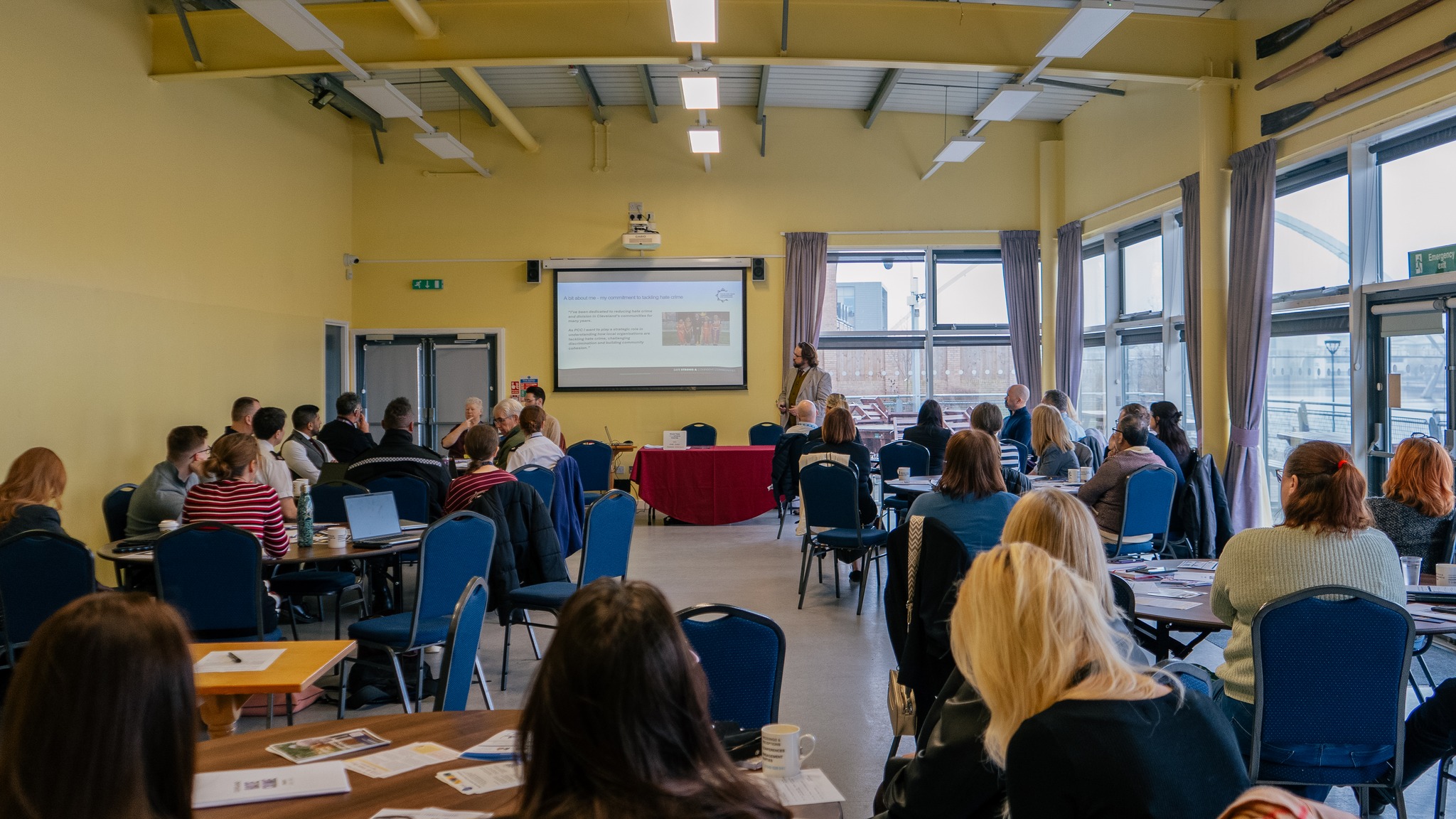
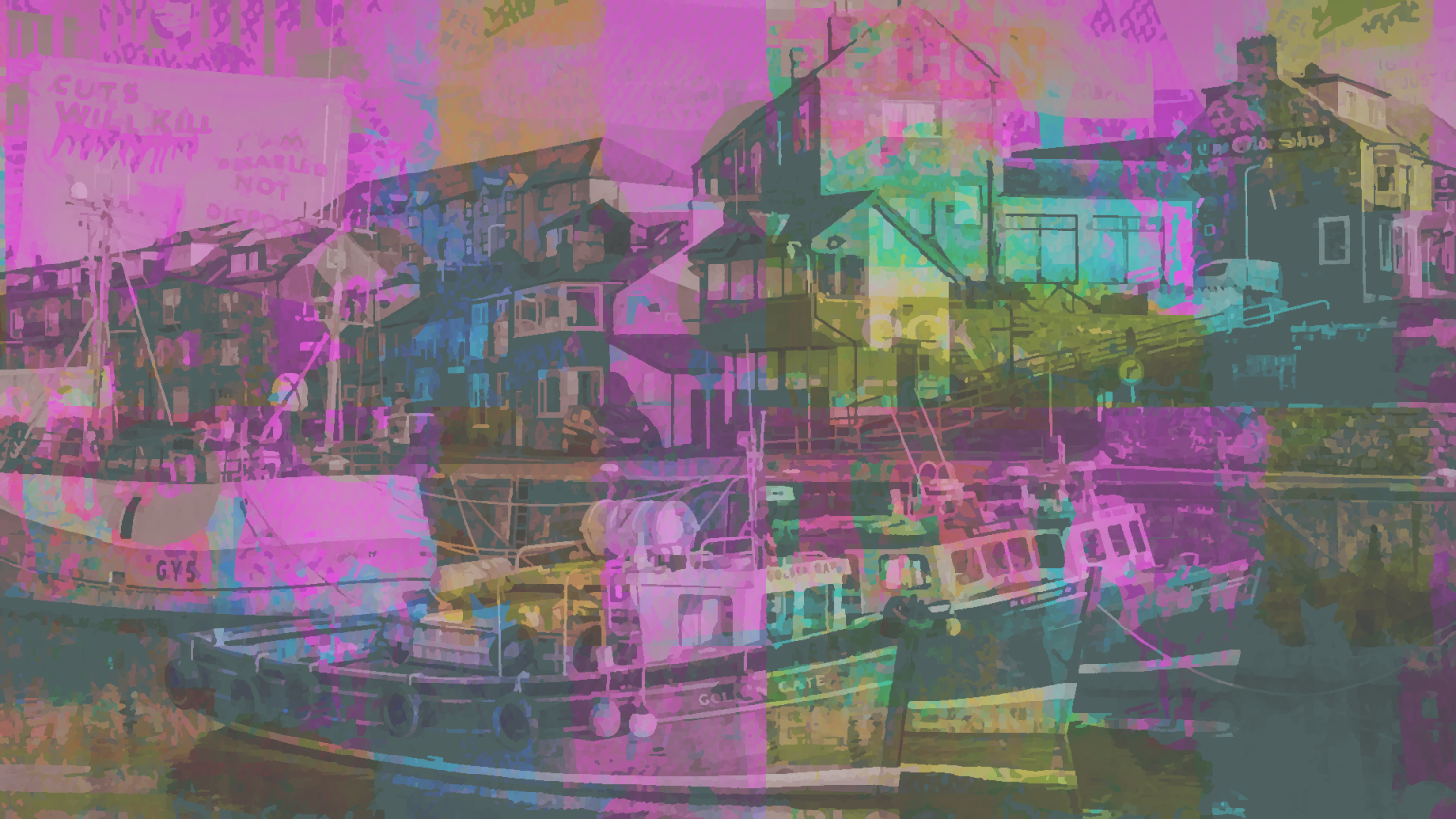
In a town, at the mouth of the River Coquet, best known for its harbour, its Puffin Cruises and its proud fishing heritage, something quietly significant happened in May 2025. Disabled residents, carers and local activists gathered in Amble, Northumberland "The Friendliest Port" to do something rarely prioritised in policy circles: they talked honestly about their lives.
The tone was warm and hopeful, yet rooted in lived experience , uneven pavements, dismissive doctors, and the quiet solidarity of neighbours who show up for each other. What emerged was a powerful local conversation that speaks far beyond Amble's borders, touching on the social model of disability, grassroots activism across the North East, and what a genuinely inclusive community in Northumberland could look like.
This truth anchored the discussion , disability is not "other people's problem". It is a shared human reality, and how Amble and Northumberland respond to it reflects the kind of community we want to be.
Key Themes
Built Environment
Drop kerbs, accessible doorways and inclusive design in Amble's streets and buildings , changes that benefit everyone in Northumberland.
Grassroots Power
Small, community-led organisations like Difference North East are keeping the focus on people , not paperwork , in ways large charities often can't.
Healthcare Equity
Local voices exposed deep healthcare inequities , from funding gaps in mobility aids to dismissive medical attitudes toward disabled women.
Accessibility in Amble: More Than a Ramp
For many disabled residents in Amble, the barriers begin before they even reach the front door. One member, who is autistic and lives with chronic illness, has made access to Amble's built environment a central part of their local campaigning.
"The physical access… drop curbs. If there's one thing I want to try to push for… drop curbs. The buildings around here are older… they won't have been built with widened doorways… there's only so much you can do." Difference member, Amble
It's a familiar story across Northumberland's older market and harbour towns: historic charm can come at the cost of accessibility. But participants were clear that the solution is universal design , changes that benefit not just disabled people, but parents with pushchairs, elderly residents, and visitors to the region alike.
A recurring frustration was the expectation that disabled people must "label themselves" , wearing lanyards or carrying cards , simply to receive basic consideration in public spaces.
"Why should you have to label yourself to get the support you need? If people were just that bit more aware…" Community activist & Difference member, Amble
Participants consistently returned to the social model of disability: the problem is not the individual's impairment , it is the barriers society erects. "It's about the barriers, it's not about a disability. It's the social model." When Amble's streets are fixed, everyone benefits.
What Accessible Amble Could Look Like
- Dropped kerbs on key routes through Amble town centre and harbour area
- Widened doorways in local businesses and community buildings
- Clearly signed, well-maintained accessible toilets
- Universal design as a default, not an afterthought, in any new development in Northumberland
Grassroots Activism vs. Big Institutions
One of the sharpest tensions in the discussion was between large, institutionalised disability charities and the smaller community groups doing vital work across the North East. Many participants had direct experience of both , and the contrast was striking.
Large charities, participants said, are often compelled to chase funding boxes, becoming more like social services than campaigning organisations. Fresh ideas and direct challenge to injustice get squeezed out by compliance requirements. Read about what DDPOs (like Difference Northeast) are, here.
Groups like Difference North East and Amble's own Greener Amble were held up as models of doing things differently , staying small, staying focused on people, and staying willing to challenge.
"Difference North East runs campaigns grassroots, rather than taking on big services." Difference member, Amble
One member described their own path from excited volunteer in community housing to employment tribunal claimant after a local organisation refused to hire their once They disclosed their disability. "I was the best candidate," They said. "And they wouldn't give me the job because I disclosed I had a disability… I took them to tribunal and we settled out of court."
The story is both infuriating and instructive. Discrimination in hiring persists even within the voluntary and community sector , and it often takes people willing to fight back, in places like Amble, to move things forward.
Healthcare in Northumberland: When the System Fails
Some of the most striking moments in the discussion came from stories about medical care , or the lack of it. Women in particular described encounters where their disability or body became the focus instead of their actual health needs.
"I'm giving birth. The thing you're supposed to be the expert in… it's my leg, not my lady parts." Difference member recounting a labour ward experience
Another participant described being told by a surgeon, when seeking treatment for endometriosis: "We could do a laparoscopy, but I think you're actually too fat for that." They had explicitly asked not to be judged on their body , the response They received was a masterclass in how medical gatekeeping and fat-shaming combine to deny disabled women basic care.
The Financial Trap
Beyond attitudes, the group surfaced a cruel financial reality facing disabled people in Northumberland and across the country. Benefits rules mean that savings above £6,000 can disqualify someone from support , yet a powered wheelchair can cost £10,000. The NHS contribution? A £500 voucher.
One participant noted that their prosthetic limb is repaired same-day by the NHS , because it helps their walk and be "productive". A wheelchair user needing the same level of support must find thousands of pounds themselves. As They asked: "Why am I more valid?" The answer lies not in clinical need but in how society values different kinds of bodies.
Intersectionality: More Than One Story at Once
The conversation in Amble was also a reminder that disability never exists in isolation. Gender, race, class and neurodiversity shape how disabled people are seen and treated , in Northumberland, in North East England, and everywhere.
They described life as an autistic, ADHD and hypermobile Ehlers-Danlos person, married to an autistic partner, raising a child who is likely also neurodivergent. Their activism, They said, is driven by a simple wish: "I just want my son to grow up in a world that is more understanding and accepting of our difference."
"I'm an immigrant, but I'm a white one… if I presented in any other way, I shudder to think how I would be treated." Difference member, Amble discussion
This candid reflection underlined something important: the barriers documented in Amble are compounded for disabled people of colour, for those who don't speak English as their first language, and for those without the confidence or cultural capital to push back against systems that fail them.
Organisers also acknowledged who wasn't in the room: "people's mums whose health has declined can't come." The most isolated , those most affected by disability, poverty and lack of support , are often the hardest to reach. Any meaningful change in Northumberland must find ways to include them.
Imagining an Inclusive Amble
Despite the weight of what was shared, the session ended on a note of genuine hope. Participants described, with real clarity, the community they want Amble and Northumberland to become.
- Universal Basic Income so that disabled people can afford to live without the constant anxiety of savings caps and benefit cliffs
- Healthcare that takes all bodies seriously , no more fat-shaming, no more ignoring symptoms, no more treating disabled women as less than fully human
- Streets and buildings designed for everyone from day one , not retrofitted as an afterthought
- Community solidarity , disabled people supporting each other, being recognised as parents, neighbours, activists and leaders
- Cultural change alongside policy change , ending the casual use of slurs, ending gatekeeping, and building real awareness in Amble and beyond
"Disabled people make some of the best parents." Difference member, Amble
Mutual care and respect. A place where everybody can afford to live. A Northumberland where you can't choose to be ableist , "even for a single hour" , because the community simply won't allow it. That's the Amble these voices are working towards.
Get Involved in Amble & Northumberland
These conversations matter , but conversations alone don't change streets or healthcare systems. If you live in Amble or Northumberland and want to be part of building a more inclusive community, here's where to start.
Join to Connect with Local Groups Share Your StoryQuotes and content drawn from the Voices from Amble community discussion, 22 May 2025, Amble, Northumberland.
All voices have been shared with participant knowledge. This article is part of an ongoing series on disability and community across Northumberland and the North East.