Hidden Disabilities at Work- Autism in the Workplace
Rachel Couch on Autism, Hearing Loss, and Finding Her Way

About Me
I am moderately deaf since birth and recently was diagnosed with autism. I identify as bisexual as well.
My hearing loss wasn't identified by professionals until I was 5–6 years old, and was the result of being 10 weeks premature, due to illness which nearly killed me and my mum. The illness damaged the hairs in my ears and this has caused a 70% hearing loss.
I was given hearing aids once it was diagnosed at this young age and from what I've been told I was amazed by the bird song and noises outside that I simply had never realised existed until then. I also used to turn them off or pull them out when it got too much and it wasn't smooth sailing for my parents trying to get me to use them, which I now realise was likely due to my autism and sensory overload. Even now at 27, I will still turn them off if I'm too overloaded.
Hearing loss as a hidden disability
Rachel's hearing loss wasn't identified until she was 5–6. It's a reminder that hidden disabilities can go unrecognised for years — even by the professionals around us. Under the Equality Act 2010, both hearing loss and autism can meet the legal definition of disability. Find out what your rights are →
My Work
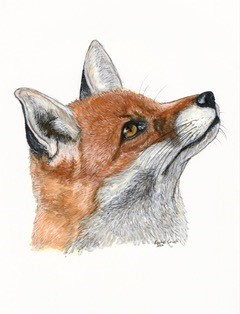
Rachel's artwork, recently exhibited at the Customs House in South Shields
I am self employed and am a director at Atypical Support CIC, a trustee of the Chopwell Regeneration Group and a sole trader artist.
Recently I got my artwork featured in an exhibition at the Customs House in South Shields, which I am super thrilled at.
I joined Atypical Support CIC as I am disabled myself and want to help those who are going through similar struggles. We advocate for disabilities in the workplace and provide support for employers and individuals to accommodate their struggles and keep them employed/find employment. You can find out more on our Twitter, Facebook or Instagram.
Challenges
I have always been aware something was different about myself growing up. Especially once the challenges at school started becoming more independent-led and the social hierarchy shifted.
I had major struggles socially at school and was bullied quite extensively. This unfortunately has had lasting damage to my ability to trust people. Looking back I realise I used to internally meltdown/shut down. Or I just simply couldn't tell I was being made the butt of the joke, which for them was all the more hilarious. I've blocked out a lot of my time at high school and it has taken me a while to start talking about it through therapy and with trusted friends.
What ultimately led to me realising it might be autism that was the missing link, was meeting my partner who is also autistic. I started looking into it more and I realised I was identifying way too much with the information and memes! What I thought was interesting was the female friends that I'd had at school had all got diagnosed after school as well!
Late diagnosis is common — especially for women
Rachel's experience reflects a broader pattern: autism is frequently missed or misdiagnosed in women and girls, who are often better at masking. The social model helps explain why: systems designed for neurotypical people create barriers that only become visible over time. Read more about the social model →
How Did I Figure Out I Was Autistic?
My partner pointed out my obsession with Coca-Cola and my penchant for collecting as well. When he met me I was sticking quite firmly to the same foods such as pizza, pasta and chicken dippers with sweet chilli sauce. He has got me eating a lot of new foods now simply by letting me try a bit of the dish he'd ordered while letting me order my 'safe' dish. He is also an ex-chef so has found ways to introduce new food items where I can trick my brain into eating them.
My 'obsessions' also consist of anything animal related, art and natural history. They are all linked and I actually have a large private collection of natural history which inspires my artwork. (Understanding anatomy is crucial for drawing animals and there is nothing better than having the real thing in front of you.)
At my assessment I was told that a commonality for autism was an interest in how things worked, such as electronics and cars/trains — but biology/anatomy is also included, which is where my interest lies.
Signs Rachel identified with
- Strong attachment to specific 'safe' foods
- Collecting and intense special interests (animals, art, natural history)
- Sensory overload — turning hearing aids off when overwhelmed
- Social difficulties and bullying at school
- Internal meltdowns and shutdowns
- Female friends all received post-school diagnoses too
Getting Diagnosed
I asked my GP for a referral to be tested for autism in 2020 and it took until 2022 to get my assessments and official diagnosis. I am very happy I have my diagnosis as the constant "what if I'm not and I'm just useless at life" mantra that went around my brain while I was waiting those two years is exhausting and not great for your mental health!
When I did get my official confirmation, a lot of my close friends said "Well duh, it's obvious!" and my friend circle is almost exclusively neuro-diverse, LGBTQ+ open minded folk now!
2 years
Rachel waited from GP referral in 2020 to official diagnosis in 2022 — a common experience across the UK
Not sure if you qualify as disabled?
You don't need a diagnosis to start asking for support or adjustments in many circumstances. Under the Equality Act 2010, what matters is whether your condition has a substantial and long-term impact on your day-to-day life. Read: Is Autism a Disability? →
Frequently Asked Questions
Common questions about hidden disabilities, autism diagnosis, and your rights at work in the UK.
Yes. Autism can meet the legal definition of disability under the Equality Act 2010 if it has a substantial and long-term impact on day-to-day life. This gives autistic people protection from discrimination and the right to reasonable adjustments in work, education, and services.
A hidden disability is a condition that isn't immediately visible to others. Autism, hearing loss, chronic pain, and many mental health conditions are examples. People with hidden disabilities often face the challenge of their needs being overlooked or disbelieved because they "don't look disabled". The sunflower lanyard scheme exists specifically to help people with hidden disabilities signal that they may need additional support.
Yes. Under the Equality Act 2010, employers have a legal duty to make reasonable adjustments for disabled employees and job applicants. For autistic people or those with hearing loss, this might include written instructions, quiet workspaces, communication support, flexible hours, or changes to interview formats. You do not always need a formal diagnosis to request adjustments.
Waiting times vary significantly. Rachel requested a referral from her GP in 2020 and received her official diagnosis in 2022 — a wait of approximately two years. NHS waiting lists for adult autism assessment have grown considerably in recent years. Some people pursue private assessment to reduce waiting time, though this carries a cost.
Atypical CIC is a Community Interest Company that promotes and advocates for people with hidden disabilities in the workplace. They run events and hire neurodivergent project leaders to help businesses create inclusive environments. They aim to provide a safe and understanding support network for both employers and individuals. Find out more at atypicalcic.org.
The social model argues that people are not disabled by their condition or diagnosis, but by barriers in society — inaccessible environments, rigid systems, lack of understanding, and stigma. For autistic or deaf people, this shifts the focus from "what is wrong with you" to "what needs to change in the world around you".
Difference North East runs a Disability at Work project supporting disabled and neurodivergent people in the North East with employment. Atypical CIC also provides advocacy and support for people with hidden disabilities in the workplace.