Driving Difference: How Disabled People Shaped Change Across the North East in 2024–25
Disability History Month 2025
Disability History Month 2025 (November-December 2025) marked 30 years since the Disability Discrimination Act was passed. Difference North East delivered an expanded programme of events and activities across the region. Read more about Disability History Month 2025 here.
The following report focuses on Year One of the Driving Difference project (July 2024–June 2025).
In its first year, Driving Difference set out to do something specific: increase disabled people's influence across the North East, not through symbolic consultation, but through evidence and pressure.
Between July 2024 and June 2025, disabled people contributed time and expertise to Difference North East's work in ways that directly shaped regional planning, national consultation processes, organisational practice and public understanding. What follows is not a summary of activity, but an account of what changed in Year One and how.
Disability History Month 2024: from awareness to institutional learning
Disability History Month 2024 functioned as a stress-test for disabled-led practice.
In November 2024, Difference North East delivered a programme of talks, exhibitions, workshops, and creative activity led by disabled people across the region. The programme reached community venues, cultural organisations, local authorities, and the public.
What made this different was not scale, but where disabled knowledge landed.
During Disability History Month:
- Disabled facilitators delivered disability equality, awareness and etiquette talks to organisations including the police and the NHS
- Film and online book clubs celebrated notable campaigns and narratives from different disabled people
- Talks about notable disabled people from history, such as Mary Greaves
- A recommended reading list was created and libraries across the region hosted exhibitions
In post-event feedback, organisations reported increased confidence discussing disability, clearer understanding of reasonable adjustments, and concrete changes to internal practice.
As explored in From Insight to Impact: Disability History Month 2025 Across the North East, Disability History Month demonstrated a model we would return to throughout the year: disabled people creating the knowledge, and institutions being required to receive it.
Members Make the Difference: turning experience into evidence
In Year One, Difference North East launched "Members Make the Difference" to establish a consistent pathway from lived experience to influence.
Between November 2024 and February 2025, disabled Difference members took part in themed discussions on:
Rather than collecting general feedback, sessions focused on specific barriers and the real life consequences of these barriers. Members spoke about:
- The impact of welfare conditionality on mental health
- Inaccessible recruitment processes
- The shortage of accessible housing and failures in adaptation systems
These sessions produced material that was later used verbatim in policy submissions and briefings.
"This forum serves as a lifeline… a safe space to share lived experience to inform reports that will hopefully affect change. This forum serves as a lifeline for those often most vulnerable, who have no choice but to continue their daily battles and challenges."
— Difference North East member
"Hope to see more events like these as they can be invaluable to the wellbeing of its audience, providing a safe space to share lived experience to inform reports that will hopefully affect change!"
— Difference North East member
That translation, from story to submission, is where impact happened.
None of this, the training, the submissions, the campaigns, the pressure, happens without infrastructure. It requires disabled people who are connected, resourced, and organized. Membership is not passive support; it is the foundation of the work described in this report. Members shaped the transport consultation. Members testified about welfare reform. Members identified Hartlepool telecare charges as an urgent issue. Every campaign, every training session, every policy response begins with disabled people saying: this matters, and we will not be ignored.
Regional transport: lived experience enters the formal record
Before Driving Difference, disabled people's experiences of transport in the North East were largely absent from strategic planning.
The North East Mayoral Combined Authority released its regional transport plan for consultation in Autumn 2024, covering areas from the Borders to South C> Durham. When they consulted on the Transport Plan, Difference North East submitted a 17-page response grounded in member testimony from two listening sessions in November and December 2024.(read it here)
The submission documented:
- Inconsistent access provision
- The cumulative stress of travel
- The practical consequences of inaccessible journeys on work, health, and independence
Disabled people's words were embedded directly into the consultation response, ensuring lived experience entered the formal planning record.
This mattered because it shifted disabled people from service users, people transport systems act upon, to contributors shaping regional infrastructure planning. Whether NEMCA's final plan reflects these priorities remains to be seen, but disabled people's experiences are now part of the official consultation record that planners must respond to.
Welfare reform: changing who gets heard
In March 2025, proposed reforms to PIP and Universal Credit risked increasing poverty among disabled people, with disproportionate effects in the North East. Read & hear more about these impacts here!
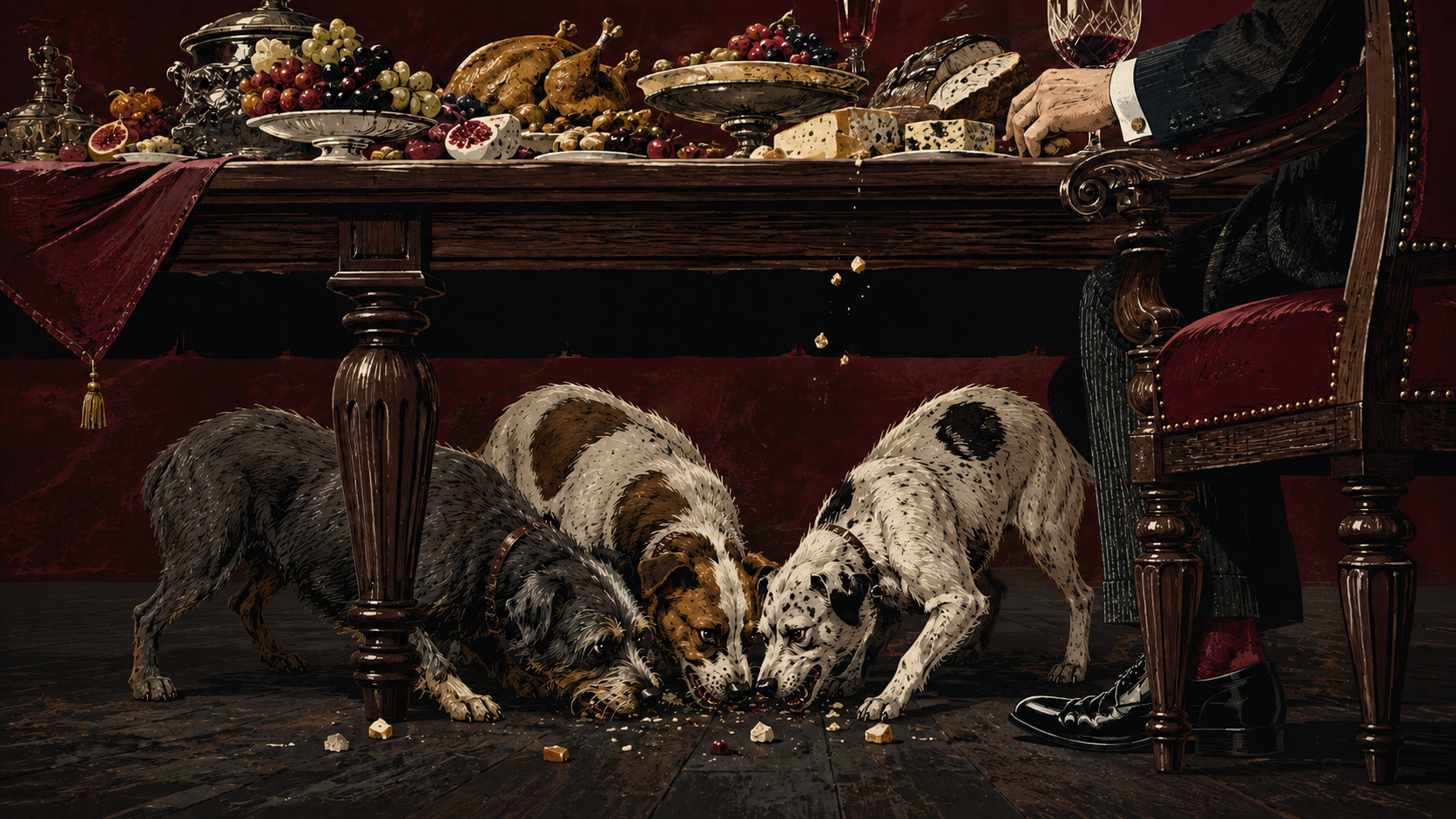
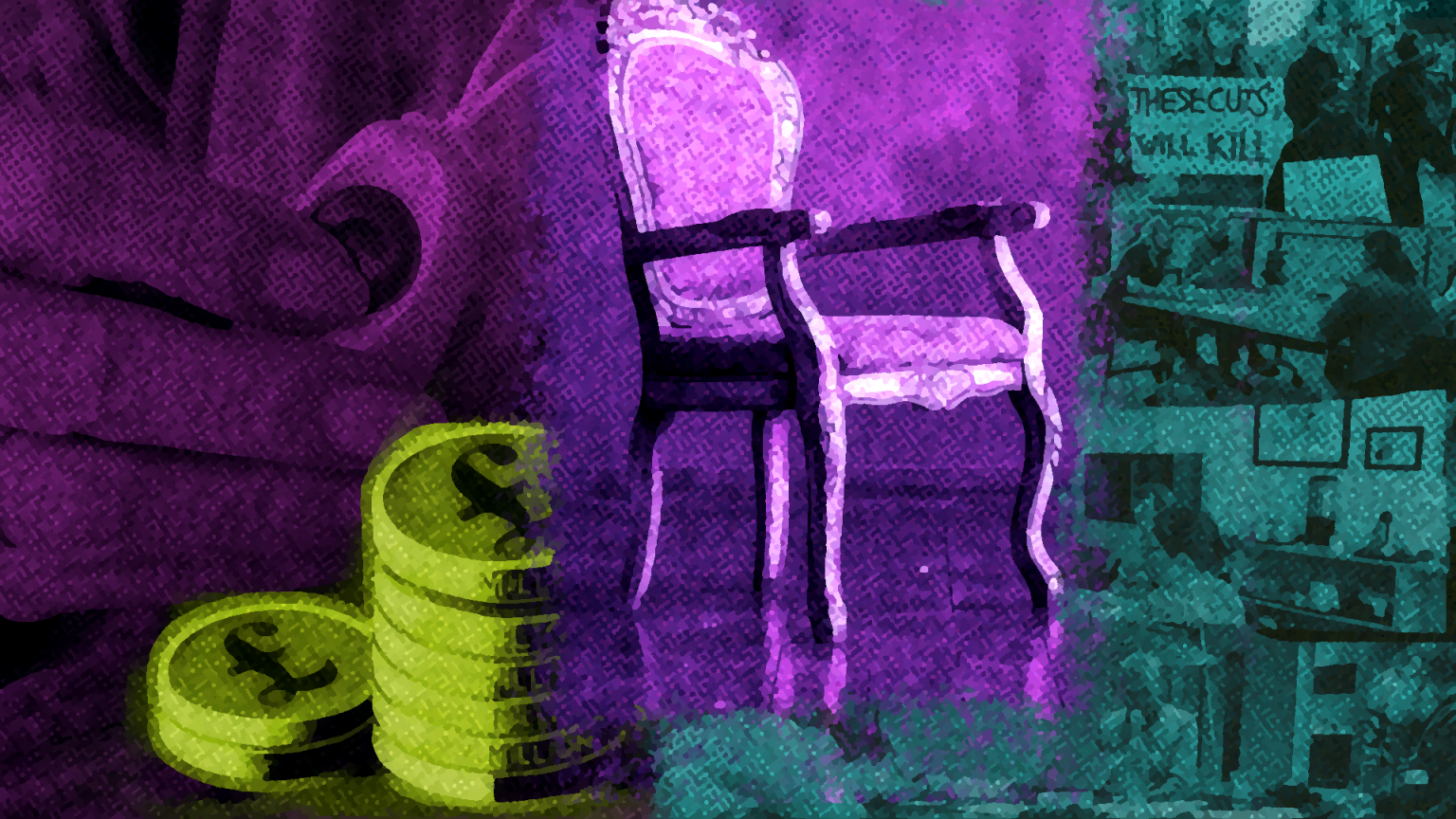
At the outset, no in-person government consultation was planned in the region. Difference North East tried to create a space for politicians to hear directly from those affected. Eighteen local MPs were invited to a drop-in meeting to discuss these changes, and none turned up.

"When MPs choose empty chairs over constituents, we choose persistence."
— Difference North East member

The consequences of inaction were stark: questions about £250M in cuts went unanswered, no commitments were made to protect vulnerable people, and the voices of those most affected remained unheard. But disabled people across the region refused to be ignored.
What organizing looked like
Members had already shared their experiences of employment barriers and welfare conditionality in January's "Members Make the Difference" session. That testimony became the foundation of our consultation response. We sent briefings to every North East MP containing region-specific data. We appeared on local and national radio, making the case that these reforms would devastate an already-struggling community.
We worked alongside Citizens Advice Newcastle, Disability North, the DPO Forum (read about what a DPO is here), and the Disability Poverty Campaign Group. Chi Onwurah MP hosted a workshop where members shared their concerns directly; she subsequently wrote to Secretary of State Sir Stephen Timms. Mary Glindon MP did the same after meeting with colleagues from Citizens Advice and Disability North.
Our final letter, signed by over 64 organizations including Amnesty International UK, made the demand clear: disabled people in the North East deserved an in-person consultation.
Difference North East resigned from the government’s North East Regional Stakeholder Network (NE-RSN). We were not alone. Robert Punto (West Midlands RSN) resigned, stating he’d “never known any government with such little regard for disabled people.”The outcome
North East
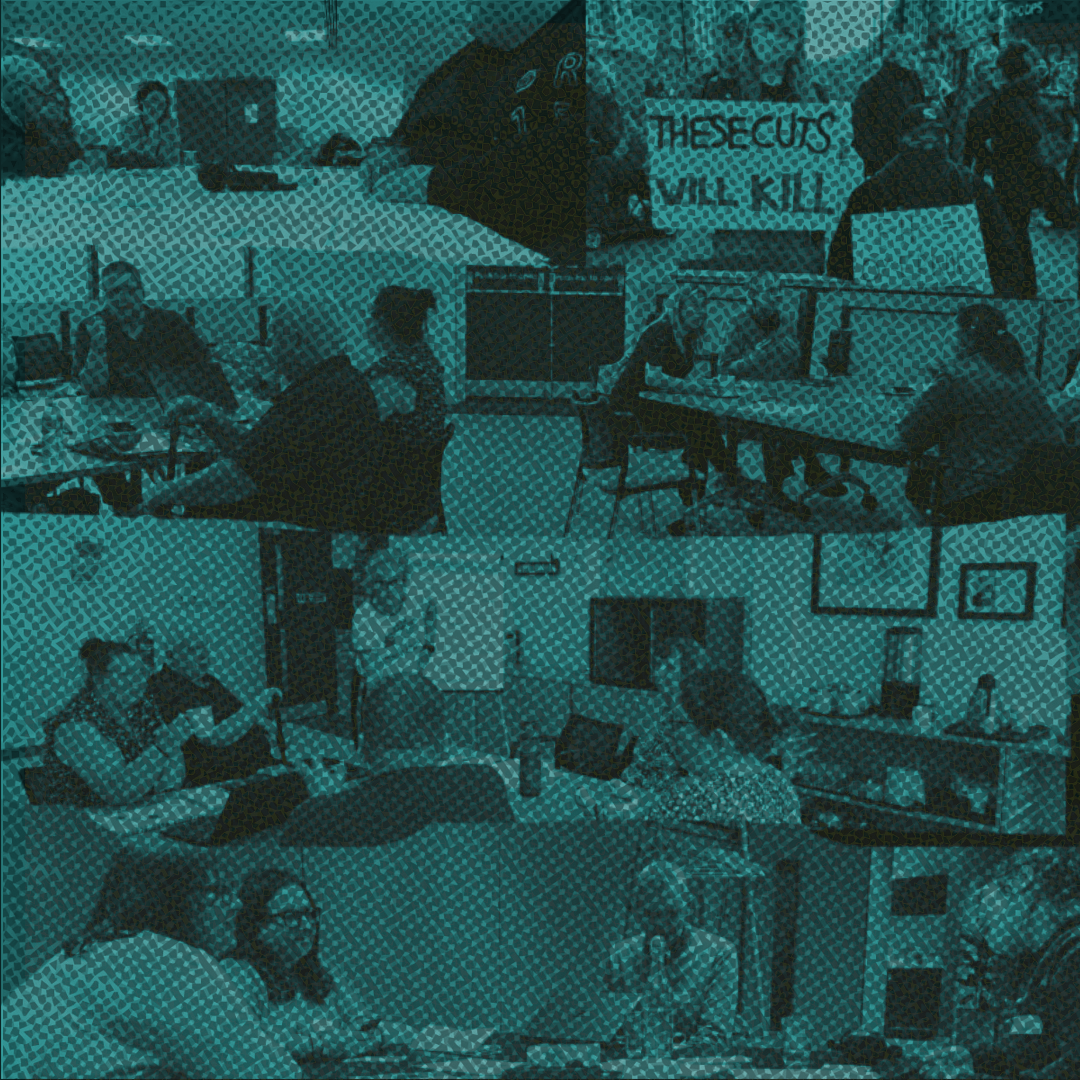
On June 19th, we co-hosted a workshop with Citizens Advice and Disability North. Eight disabled people and their carers attended. A week later, on June 26th 2025, the government scheduled an in-person consultation in the North East, a session that had not existed before our campaign.The same day and time as we launched 'Our Voice, Our Agenda' - A space for disabled people, run by disabled people. We will set the agenda. We will invite others in, on our terms. We are not tokens. We are builders. Read why we walked away, and how you can support what comes next.
Our Voice, Our Agenda
Owned BY US
Agendas set by members. Rotating leadership!
Power TO US
We invite the government to our table: on our terms
Disabled people who would otherwise have been excluded were able to speak directly to policymakers about how the proposals would affect their lives.
That change did not happen by invitation. It happened because disabled people organized collectively and applied pressure.
Telecare charges: coordinated local resistance

In Hartlepool, the introduction of telecare charges threatened disabled people's independence and safety.
Difference North East worked with seven local DDPOs and VCSE organisations to challenge the decision. Together, we wrote directly to senior council leadership outlining the risks and calling for implementation to pause.
While the charges went ahead, communication to residents improved, particularly for d/Deaf people, and the issue received sustained media coverage, including Disability News Service, Hartlepool Mail and BBC Look North. Read about this here.
This campaign showed the limits of influence, and the importance of disabled-led challenge even when outcomes are partial.
Visibility: changing what disability looks like in public
Year One also addressed a quieter barrier: representation.
The "Claiming the Normal!" Photography project replaced stock imagery with photographs of disabled people living ordinary lives, going to w">ork, doing shopping, enjoying hobbies, getting ready in the morning. We wanted to move beyond harmful stereotypes like "superhuman Paralympians," "helpless charity cases," or "benefit scroungers," and claim everyday space for disabled people.
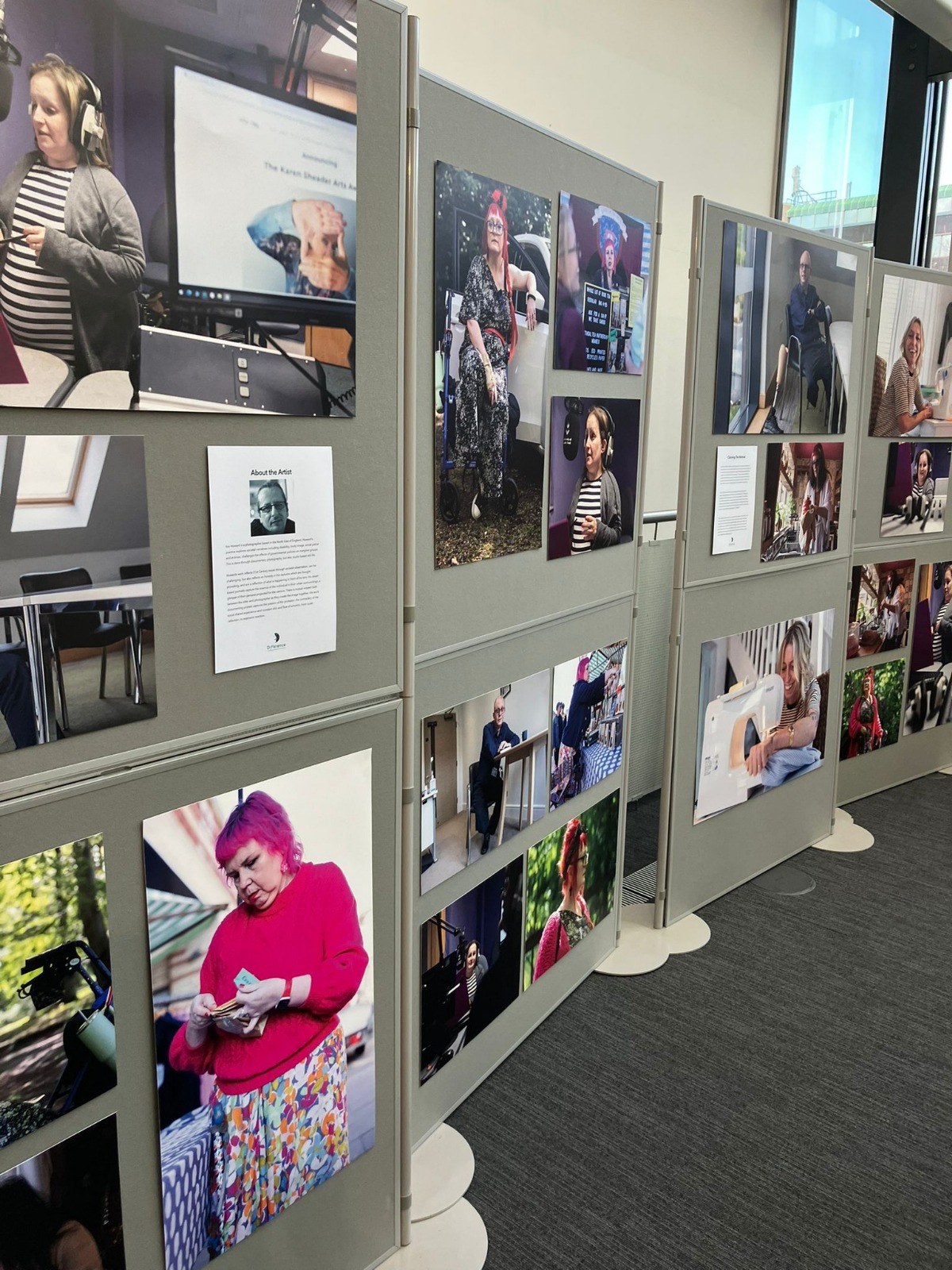
These images were embedded across Difference North East's digital platforms, used in training materials, and later exhibited publicly during Disability History Month. The goal was not cosmetic but structural: to change how disabled people are presented in regional communications, and who feels recognized when they encounter disability-related content.
This mattered because representation affects who engages with disability organizations, who feels their experiences are valid, and how the wider public understands disabled people's lives.
Listening at scale: setting up Year Two
In May 2025, "Voices Across the North East" took place in Amble, Gateshead, Hartlepool, Stockton, and Darlington, alongside an online survey. Thirty-six disabled people attended in person, with six additional responses online.
Disabled people described the everyday work of navigating inaccessible environments:
"Whenever I go anywhere new I'll be on Google Street View trying to see what the parking looks like."
— Member in Gateshead
"We want clear pavements. We want no street furniture out. No more cars on pavements!"
— Members in Stockton
"Sign language has regional signs. The sign for purple has 27 different signs depending on where you live. AI can't handle that complexity."
— d/Deaf member in Hartlepool
"I shudder to think how people would treat me if I was more physically disabled."
— Member in Amble
"Understand what it's like to be disabled. There's so much ableism...make those adjustments without making a fuss, because half the time the adjustments aren't massive."
— Member in Darlington
The evidence gathered, from inaccessible pavements to failures in adapted housing, from employment discrimination to gaps in BSL provision, will feed into a major report in November 2025. That report will shape Year Two priorities and provide policymakers and regional change-makers with a detailed account of what still needs to change.
What Year One shows
Year One of Driving Difference demonstrates that when disabled people are organized, resourced and listened to:
- Policy processes change
- Consultation becomes harder to ignore
- Institutions adjust
- Exclusion becomes visible
By the end of the year, we had exceeded National Lottery targets, growing membership by 50 and allies by 35, not as an end in itself, but as infrastructure for influence. The larger the network, the stronger the pressure. The clearer the evidence, the harder it is for decision-makers to say they didn't know.
Join
If you are a disabled person in the North East, or an ally who wants to support disabled-led change, joining Difference North East is how this work continues.
Funded by the National Lottery Community Fund.